Garrotxa by campervan: 3 days of volcanoes and medieval towns
By Jordi, CamperVan.cat · Updated 4 October 2026
The Garrotxa is Catalonia's volcanic counterpart, just over two hours from Mataró: beech forests, grass-covered craters and villages built from black volcanic stone. This 3-day route (around 250 km round trip) is based in Olot and combines Besalú, Banyoles, the volcanic zone natural park and Castellfollit de la Roca, with short driving stages that leave time for walking, not just driving.
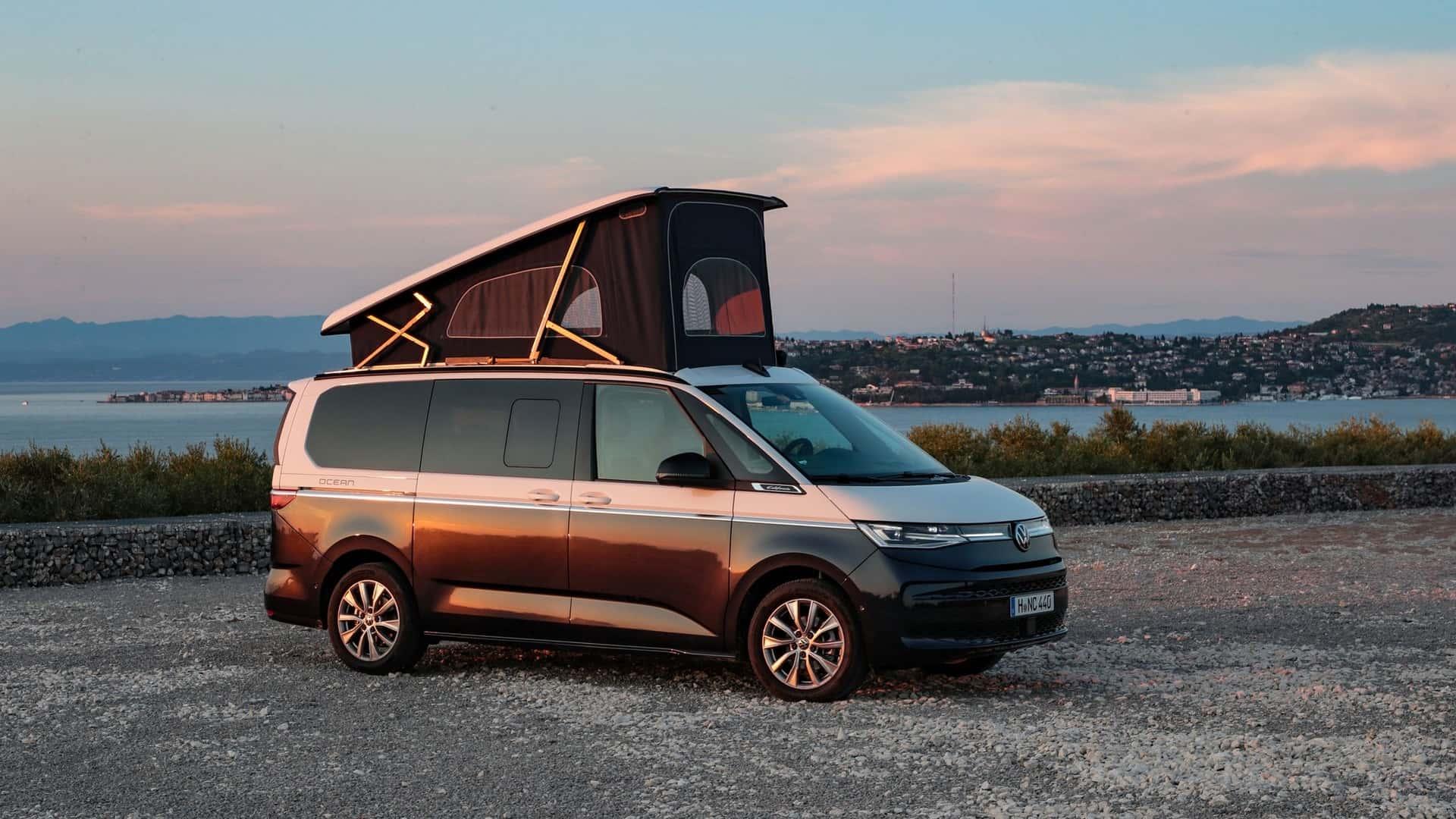
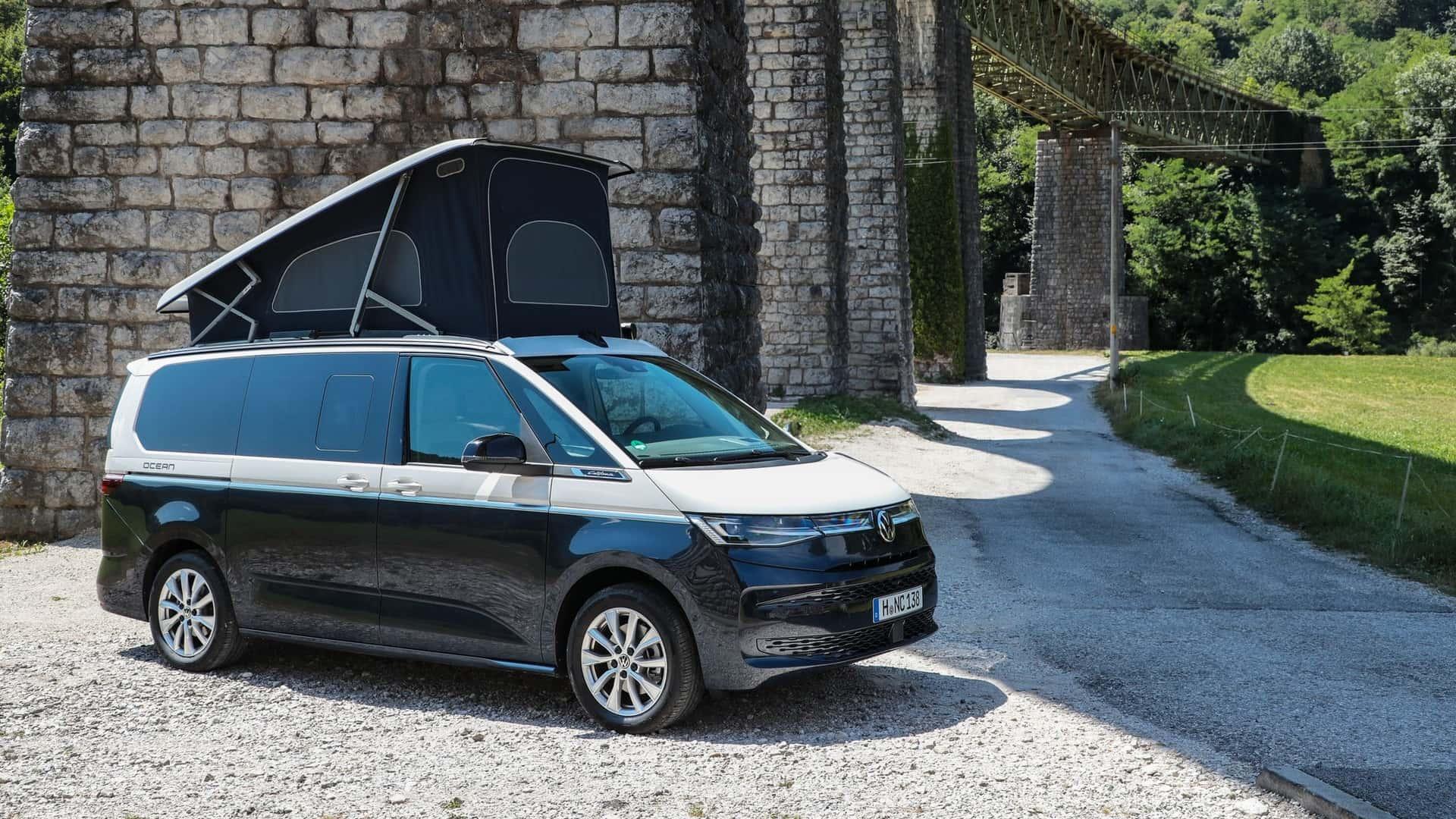
It's a landscape made for a campervan: narrow forest roads, villages with tight access and limited parking, exactly where a big motorhome struggles and the California fits without a second thought.
Book now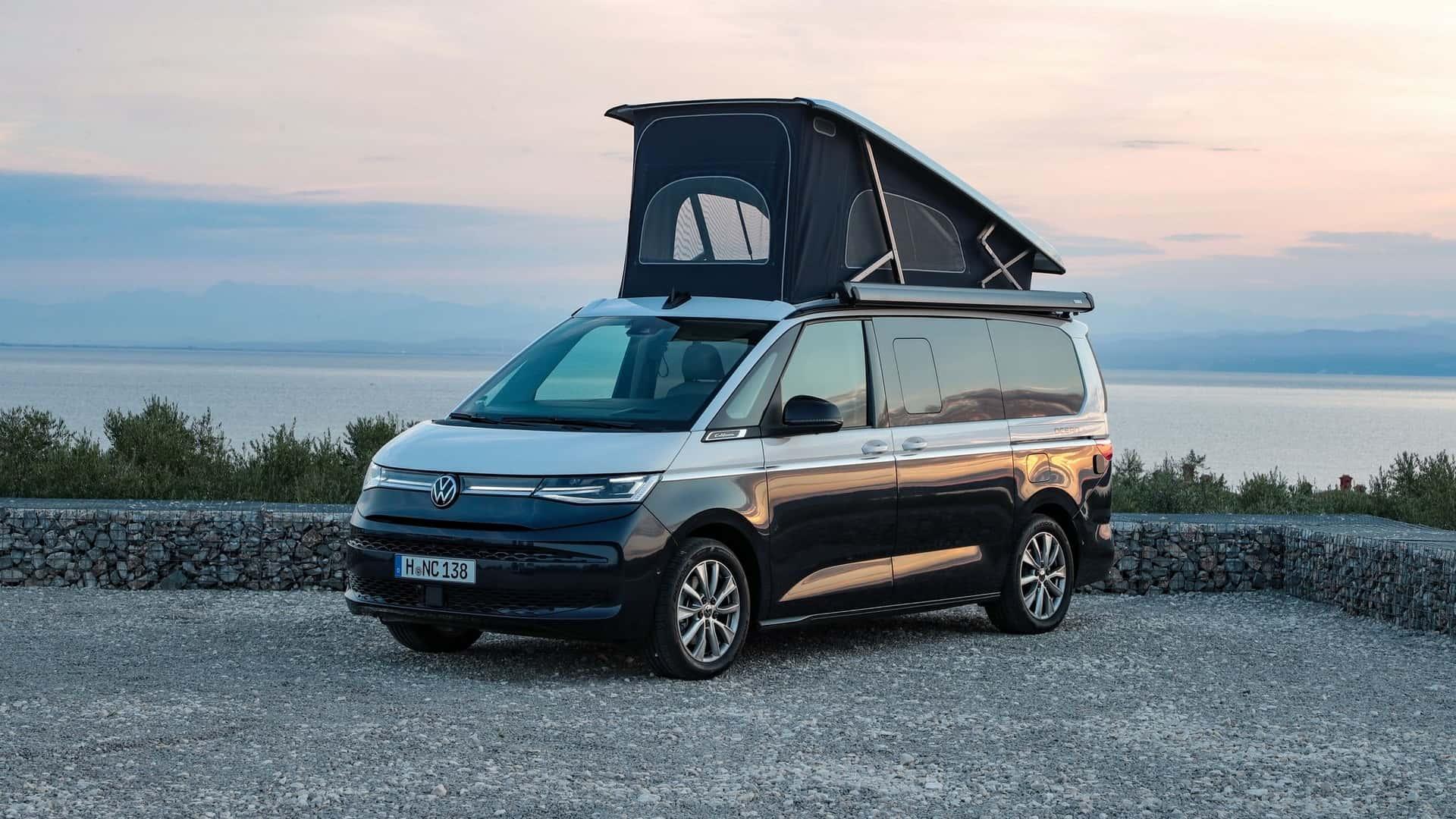
Day 1 (morning) — Mataró to Besalú (105 km)
Head out on the C-25 and C-66 to Besalú, one of Catalonia's best-preserved medieval towns. The Romanesque bridge over the Fluvià river, with its broken profile and defence towers, is the first must-see stop; then the old Jewish quarter and the mikveh — the ritual bath carved into the rock, unique in Catalonia — take a couple of unhurried hours to explore.
Lunch in town (the arcaded streets around Plaça Llibertat have plenty of options) before continuing to Banyoles.
Day 1 (afternoon) — Banyoles and overnight in Olot (25 km)
Just 8 km away, Banyoles has one of the largest natural lakes on the peninsula. The full loop is about 7 km on foot or by rented bike; with young children, the swimming area and pedal boats along the same promenade are a shorter, equally fun alternative.
In the evening, about 18 km to Olot, which serves as base for the following two days. For the night, the Olot motorhome area or one of the campsites in the volcanic zone, most between €10 and 25.
Day 2 (morning) — Fageda d'en Jordà and the volcanoes (15 km)
Get an early start: the Can Serra car park, the natural entrance to the Fageda d'en Jordà beech forest, fills up fast on weekends and especially in autumn, when the beech trees turn red and ochre. The forest walk is flat and short — about 4 km round trip — with the option of a horse-drawn cart ride for part of it, ideal if you're travelling with young children.
Right next door, the Santa Margarida volcano (an enormous grass-covered crater you can walk inside) and the Croscat, the youngest volcano on the peninsula and the only one with an open cut face showing its layers of ash and lapilli.
Day 2 (midday) — Santa Pau and back to Olot (20 km)
Lunch in Santa Pau, a walled village with one of Catalonia's prettiest arcaded squares. Santa Pau's beans, with their own protected designation and a fine grain that barely needs soaking, are close to essential — any restaurant on the square serves them with sausage or slow-cooked in a casserole.
In the afternoon, head back to Olot to rest; if there's energy left, the old town and market are good for a short stroll before dinner.
Day 3 — Olot, Castellfollit de la Roca and the drive home (150 km)
Morning in Olot: the modernist centre, the market and the viewpoints over the town's own craters — Montsacopa, with a chapel at the top, is a ten-minute climb with views over the whole valley. Then 10 km to Castellfollit de la Roca, the village perched on a 50-metre basalt cliff, the Garrotxa's most photographed sight.
With time to spare, it's worth detouring to the Vall d'en Bas to see the restored village of Sant Esteve and the meadows with the Puigsacalm mountain behind them. Head back to Mataró on the same C-26 and C-25, no rush.
Frequently asked questions
How many kilometres is the route?+
About 250 km round trip, well within the 300 km included in a 3-day rental (100 km/day). If you want to extend the loop through the Vall d'en Bas or the Collsacabra, you can add extra kilometres before setting off.
Is the Fageda d'en Jordà suitable for kids?+
Yes, it's one of the easiest walks in the Garrotxa: flat, shaded and short, about 4 km round trip. On weekends there's also the option of a horse-drawn cart for part of the way, perfect if the kids run out of steam halfway.
What's the best time of year for this route?+
Autumn, when the beech forest turns red and ochre, is the most photogenic time. Spring, all green, is also gorgeous. In summer the route works just as well, but arrive early for parking at Can Serra and in Castellfollit.