Ebro Delta by campervan: 4 days of rice fields and wild beaches
By Jordi, CamperVan.cat · Updated 4 October 2026
The Ebro Delta is one of the most different landscapes you'll find in Catalonia by campervan: flat land to the horizon, rice fields that change colour with the seasons, miles of wild beach and one of Europe's most important wetlands for birdlife. This 3-4 day route leaves Mataró, climbs inland through the Ribera d'Ebre and drops down into the heart of the delta, covering around 420 km round trip.
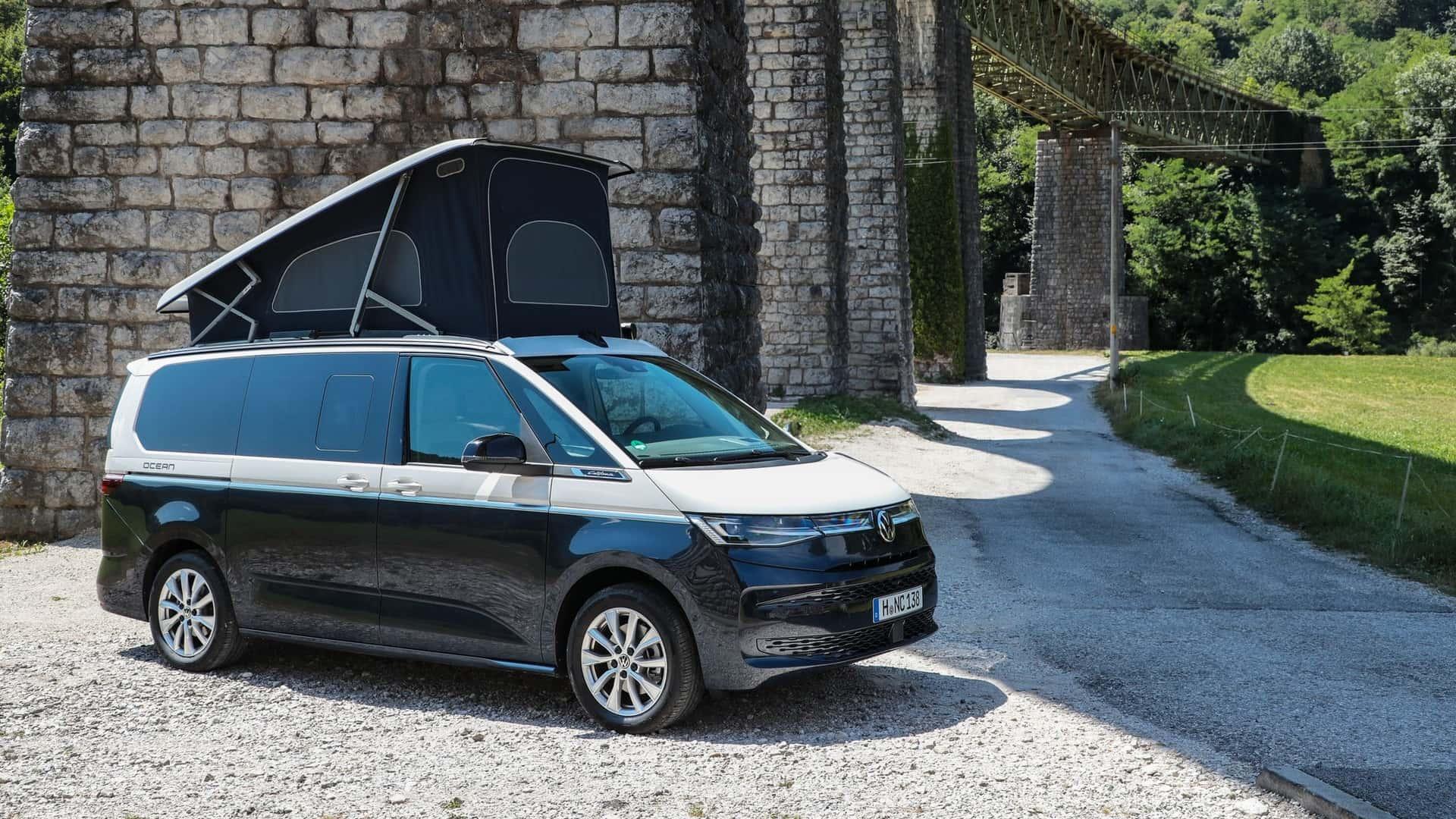
It's a trip built for the California: the sand and dirt tracks leading to beaches like Riumar or the Trabucador sandbar call for a light, manoeuvrable vehicle, and the pop-top roof means you can park among the rice fields without drawing the attention a bigger vehicle would.
Book now
Day 1 — Mataró to Miravet and Tortosa inland (180 km)
Instead of the coast, this route heads inland: the N-240 and the roads through Priorat lead to Miravet, a village perched over a bend in the Ebro with a Templar castle worth the climb for the views alone. Just below, a traditional cable ferry — the pas de barca — still crosses the river, an unusual way to reach the other bank.
In the afternoon, Tortosa: the Suda castle (now a parador) overlooks the city, and the old quarter keeps Gothic arches and a cathedral. Overnight: the motorhome area in Tortosa, by the river.
Day 2 — Deltebre and the heart of the delta (35 km)
Deltebre is the gateway to the rice fields: rent a bike or take a boat along the river to see up close how the land that grows most of Catalonia's rice is worked. MónNatura Delta has a birdwatching viewpoint and explains the ecosystem before you head off alone along the tracks.
In the afternoon, Riumar and the mouth of the Ebro: miles of wild beach where the river meets the sea, perfect for a long walk at sunset. Overnight: the Deltebre area or L'Aube campsite, tucked among the reeds.
Day 3 — The Trabucador sandbar and Punta de la Banya (40 km)
The Trabucador is a four-kilometre strip of sand separating the sea from the Alfacs bay — you can drive along it when the sea allows (check conditions before setting out, since strong swell can cut it off). At the far end, Punta de la Banya and its salt flats host one of the largest flamingo colonies in the Mediterranean.
For lunch, Sant Carles de la Ràpita: the fishing port is the showcase for the bay's rice and fresh fish. Overnight: the La Ràpita area, close to the harbour.
Day 4 (optional) — Ampolla beach and back via Tarragona (140 km)
If you stretch the trip an extra day, Serrallo beach in L'Ampolla makes a good stop before heading north. On the way, Tarragona's Roman amphitheatre above the sea is worth a couple of hours — and you'll still reach Mataró before dark.
Frequently asked questions
How many kilometres is the route?+
About 420 km round trip over 3-4 days — a distance that sits comfortably within the 100 km/day included in the rental, and you can always upgrade to 200 km/day or unlimited mileage if you add the optional fourth day.
What's the best time to go?+
Spring (flooded, green rice fields) and September-October (harvest time, golden tones and fewer mosquitoes). Summer in the delta is spectacular but bring repellent — the rice fields breed plenty of mosquitoes.
Can you sleep inside the natural park?+
No — free overnighting isn't allowed inside the Ebro Delta Natural Park. Use the signposted motorhome areas in Deltebre and La Ràpita, or one of the delta's campsites, mostly €10-25.